
“She knew and, despite the weight of it, accepted her role as liberator of a frightened man. María Isabel thought it had always been women who wove the future out of the scraps, always the characters, never the authors. She knew a woman could learn to resent this post, but she would instead find a hundred books to read.“
Full review at LatinoBookReview.com
Of Women and Salt by Gabriela Garcia is a multigenerational story that traces the ways women learn to resist power structures and endure suffering with a ferocity born of love and lack of choices. In the beginning, there is María Isabel, a woman whose survival requires learning to read in secret and working as the only woman rolling cigars in a factory. In the midst of the first Cuban revolution in the 1860’s, María Isabel becomes the matriarch of a long line of courageous women navigating an unjust world. Jeanette, five generations later, is at the other end of two revolutions and a diaspora that led part of the family to Miami.
Garcia’s characters are like the heroes of so many families—mothers and guardians who make impossible choices and spend a lifetime making peace with them. Over the span of 150 years, these families witness revolutionary political changes and cope with their inherited traumas. This extensive timeline is evidence of a tendency for patterns, both good and bad, to persist no matter how much one tries to live in isolation from the past. Irrespective of time and place, Of Women and Salt speaks to the universal human desires to survive and to belong.



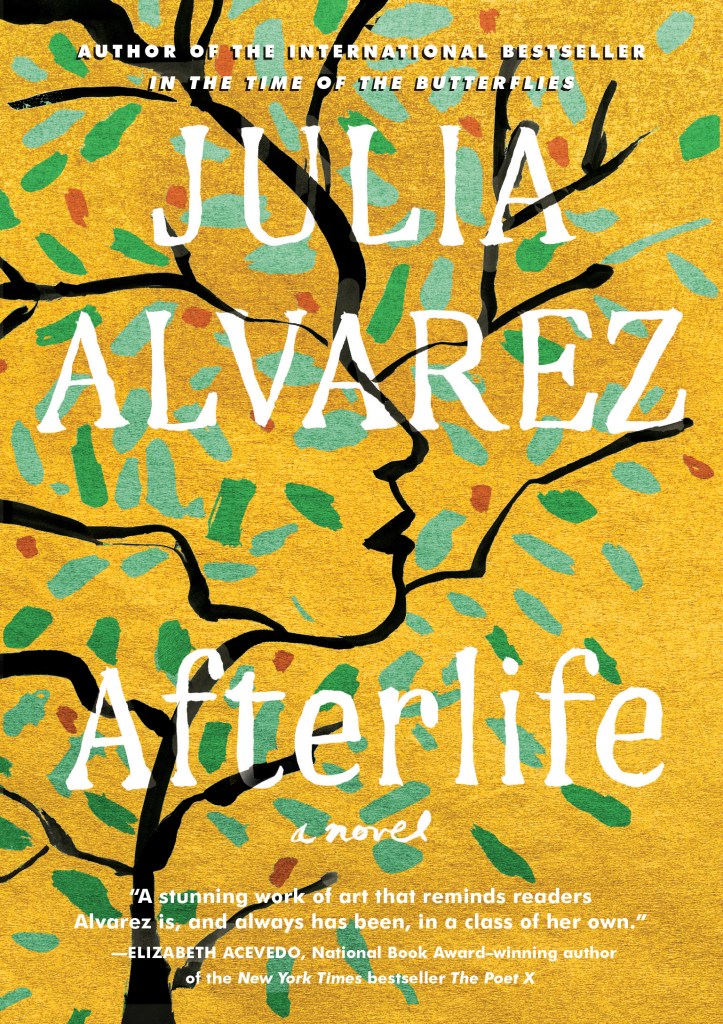


 Originally published in Latino Book Review magazine at latinobookreview.com
 *Originally published in Latino Book Review at latinobookreview.com*


 Erosion is a collection of essays depicting the ways that modern priorities and lifestyles have led to the spiritual, physical, and political erosion of communities in the United States. At the core of Williams’ melodic, impassioned writing is a deep connection to her homeland of Utah and an earnest empathy for all living beings. Written over the last several years, Williams examines the political environment that enabled the gutting of national monuments and the auctioning of public lands to the Big Oil industry. These acts of aggression are emblematic of new incarnations of colonialism that deny indigenous sovereignty and the right of the American people to access wild spaces that are central to cultural identity and vitality.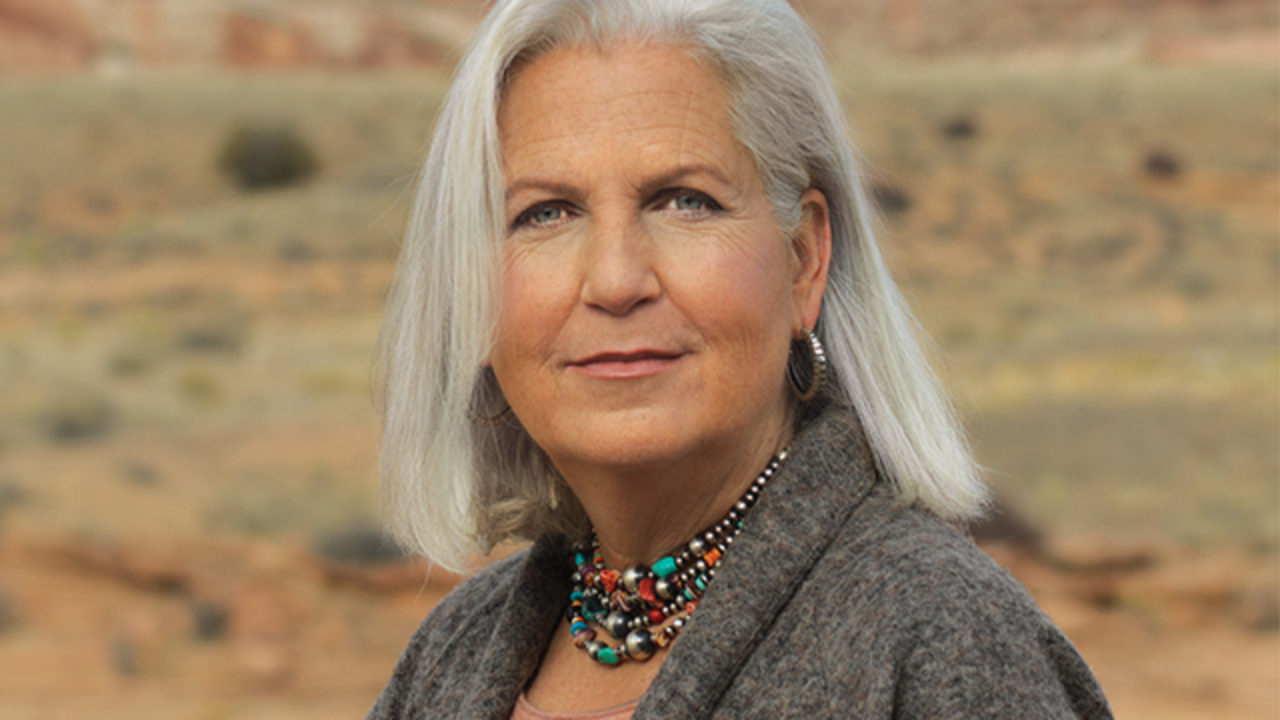
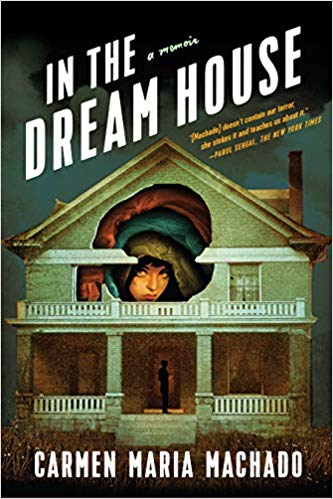 In this fragmented memoir of her relationship with an abusive long-term partner, Machado imbues her own personal story with an exposition of the “archival silence” on the topic of abuse in the queer community. It starts with a fervent crush on a beautiful, charming acquaintance. Progressing through the stages of friendship, torrid love, and polyamorous romance, the “woman in the dream house” gradually transforms into a manipulative, living nightmare. Their mutual infatuation, tangled up with the euphoria of love and lust, leads to a co-dependent relationship—a deceptive bondage that is all too common in romantic partnerships.
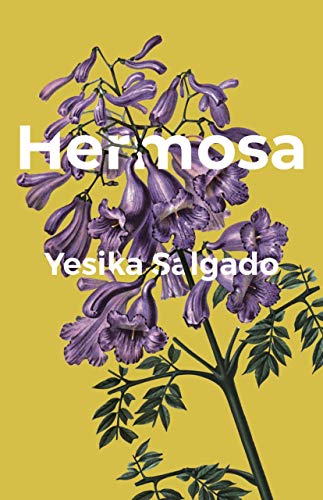

 After coming out as a lesbian to her religious, Puerto Rican family, Juliet leaves the Bronx for the first time to take on an internship with a celebrity-status, feminist author in Portland. She arrives in this alien city characterized by a subculture of “hippie white” both elated by the prospect of living and learning with her feminist hero and wounded by the rift her identity has created between her and her mother.
 ode to shelf-care