The Book of Rosy is the story of Rosayra Pablo Cruz, a mother of four from Guatemala who fled to the U.S. seeking asylum, co-written by Julie Schwietert Collazo, the cofounder of Immigrant Families Together. Rosy’s story and her fight for a dignified existence brings to life an immigration policy that was ignored for too long and continues to keep innocent refugee children separated from their parents. Adding to the heartbreak of the trauma inflicted on Rosy and her children is the fact that her story is not extraordinary at all. Like many of the U.S.’s immigration policies, Trump’s Zero Tolerance Policy was designed to dehumanize those seeking refuge at the border. The goal of these policies was not to keep anyone safe, but rather for certain people to either make massive amounts of money off of the lucrative detention center industry or to benefit politically from the suffering of others.
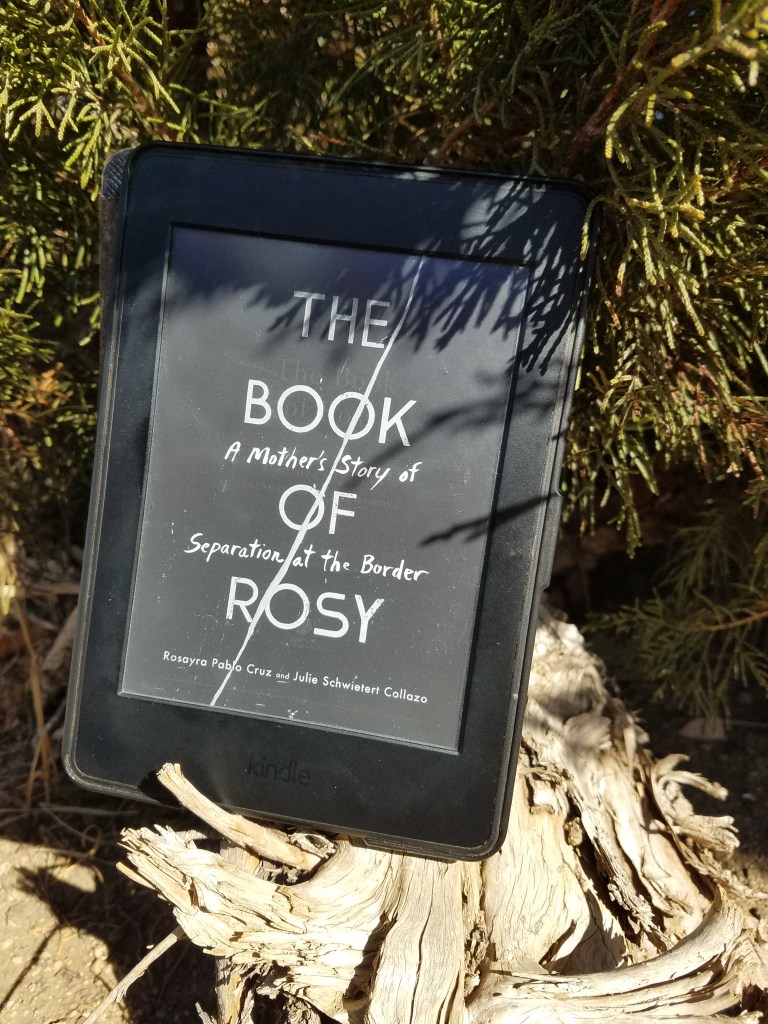
Beautifully written by these two women whose lives became unexpectedly intertwined, The Book of Rosy is an important read for those wanting to better understand the realities of immigration from the Global South.

My heart breaks when I think about all the losses that have occurred along the Migrant Highway, each one a story that will be remembered only by the person who suffered it.
— Rosayra Pablo Cruz
At its core, Rosy’s story is about faith, sacrifice, and what it means to show up for other people when it counts.
“Some of us who have already begun to break the silence of the night have found that the calling to speak is often a vocation of agony, but we must speak… For we are deeply in need of a new way beyond the darkness that seems so close around us…A true revolution of values will soon cause us to question the fairness and justice of many of our past and present policies.”
— Rev. Martin Luther King Jr., 1967
More resources on this topic:
- A report by the Refugee and Immigration Center for Education and Legal Services (RAICES); “The U.S. Government Kidnapped my Son”– Surviving Family Separation and Prolonged Family Detention
- Immigrant Families Together working to reunite families and provide ongoing support for asylum seekers
- Tell Me How It Ends: An Essay in 40 Questions by Valeria Luiselli about her volunteer working translating for child refugees


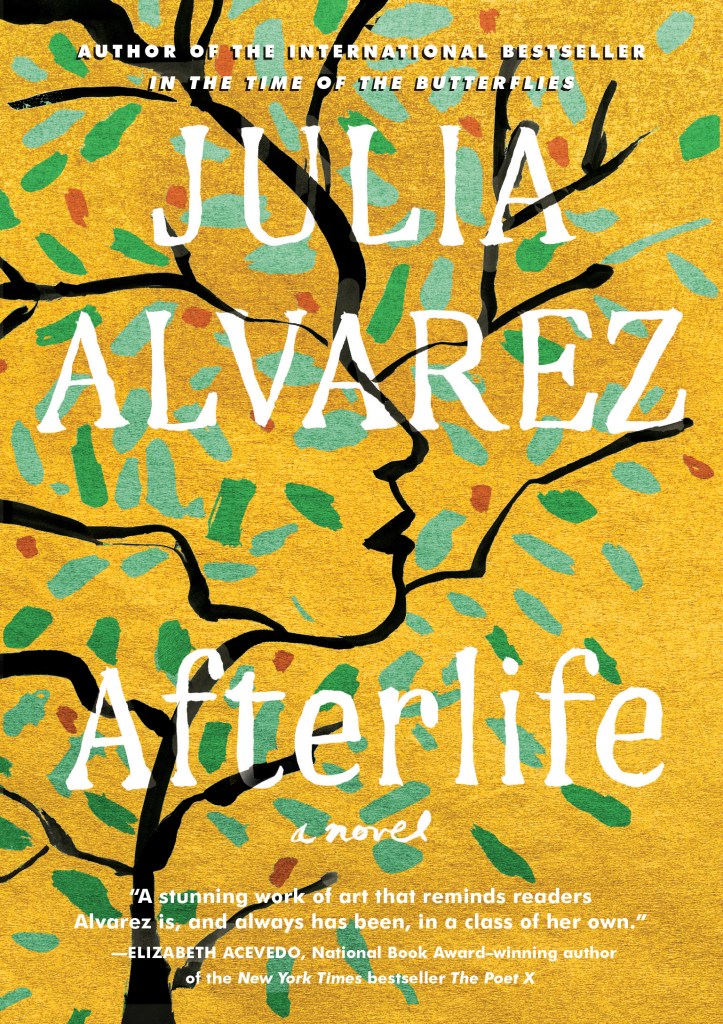


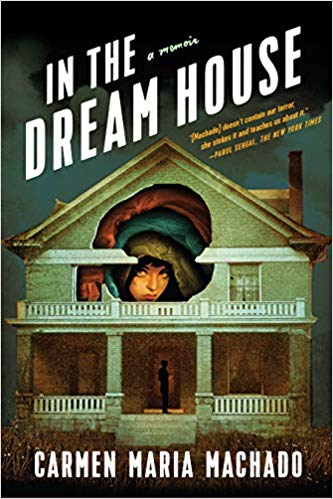 In this fragmented memoir of her relationship with an abusive long-term partner, Machado imbues her own personal story with an exposition of the “archival silence” on the topic of abuse in the queer community. It starts with a fervent crush on a beautiful, charming acquaintance. Progressing through the stages of friendship, torrid love, and polyamorous romance, the “woman in the dream house” gradually transforms into a manipulative, living nightmare. Their mutual infatuation, tangled up with the euphoria of love and lust, leads to a co-dependent relationship—a deceptive bondage that is all too common in romantic partnerships.
 After coming out as a lesbian to her religious, Puerto Rican family, Juliet leaves the Bronx for the first time to take on an internship with a celebrity-status, feminist author in Portland. She arrives in this alien city characterized by a subculture of “hippie white” both elated by the prospect of living and learning with her feminist hero and wounded by the rift her identity has created between her and her mother.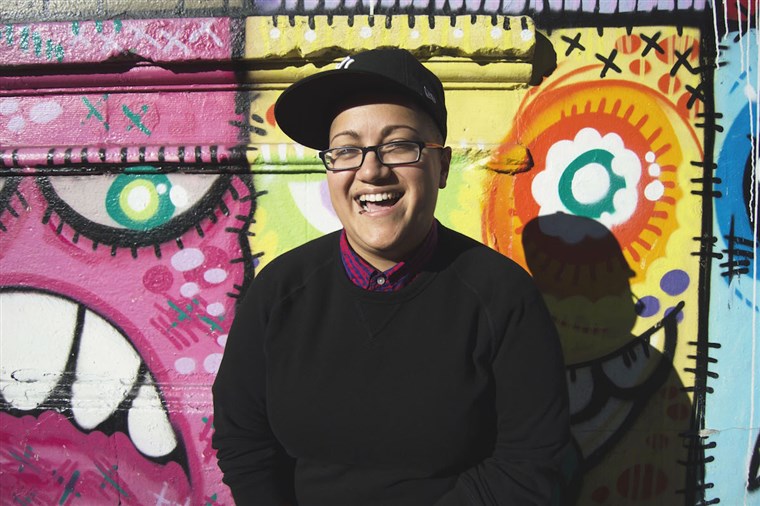
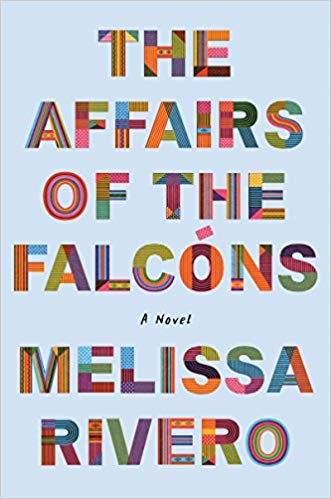 In the Affairs of the Falcóns, Rivero illustrates the complex politics and emotions at play within a single family trying to make their way as immigrants in a the US: the racism and classism within the Peruvian community, strained loyalties and the dissolution of marriages, children being raised as Americans but frequently reminded that they are outsiders, the economic and political regimes that cause widespread displacement, and the sacrifices people will justify in the name of love and survival.
 ode to shelf-care