


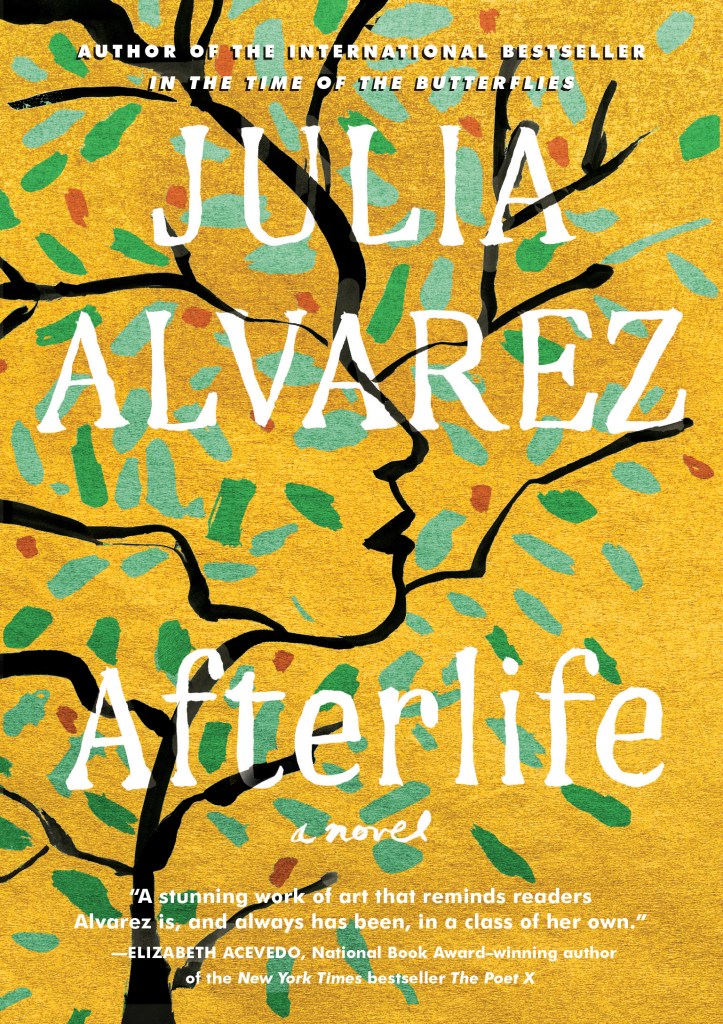


After the sudden death of her husband, Antonia would like nothing more than to recede into her solitary cocoon of grief. However, when the universe conspires to place her in the midst of telenovela-esque, high-stakes drama, she discovers that even after death, her loved ones come back to her in unexpected ways. Between the undocumented young pregnant woman who desperately needs her help, and her sister who has disappeared during a manic episode, Antonia wrestles with questions she feels ill-equipped to deal with on her own. She reluctantly teams up with her neighbors and her three other sisters to simultaneously quell these crises, but she is never quite sure how to prioritize one person’s suffering over another’s, including her own.
As a long-time English teacher, she often defers to the wisdom of her favorite authors in order to make sense of her world, but as the fabric of her life and community unravel, it is the memories of her late husband and family that shape her actions. Alvarez’s novel captures the many contradictions of grieving and relationships—especially the way our loved ones can tug at our heartstrings and inspire change in us even as we wrestle with a jumbled combination of resentment, admiration, and loyalty.

She is keeping to her routines, walking a narrow path through the loss—not allowing her thoughts to stray. Occasionally, she takes sips of sorrow, afraid the big wave might wash her away.
 *Originally published in Latino Book Review at latinobookreview.com*
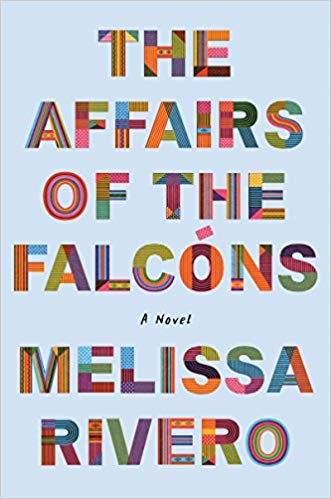 In the Affairs of the Falcóns, Rivero illustrates the complex politics and emotions at play within a single family trying to make their way as immigrants in a the US: the racism and classism within the Peruvian community, strained loyalties and the dissolution of marriages, children being raised as Americans but frequently reminded that they are outsiders, the economic and political regimes that cause widespread displacement, and the sacrifices people will justify in the name of love and survival.
 Shaker Heights is the kind of community where garbage is stored always out of sight from the street, and every last detailed is planned, from the diversity of its population to the color scheme of each house. When a free-spirited artist, Mia, and her daughter Pearl move to town, their lives become entangled with the members of the Richardson family, each of whom are either enamored with or infuriated by Mia and Pearl’s nonconformity. After a public scandal arises surrounding the custody of an abandoned baby, everyone in town is obliged to take sides in a controversy that will put ambiguous ethics at odds with family loyalties.
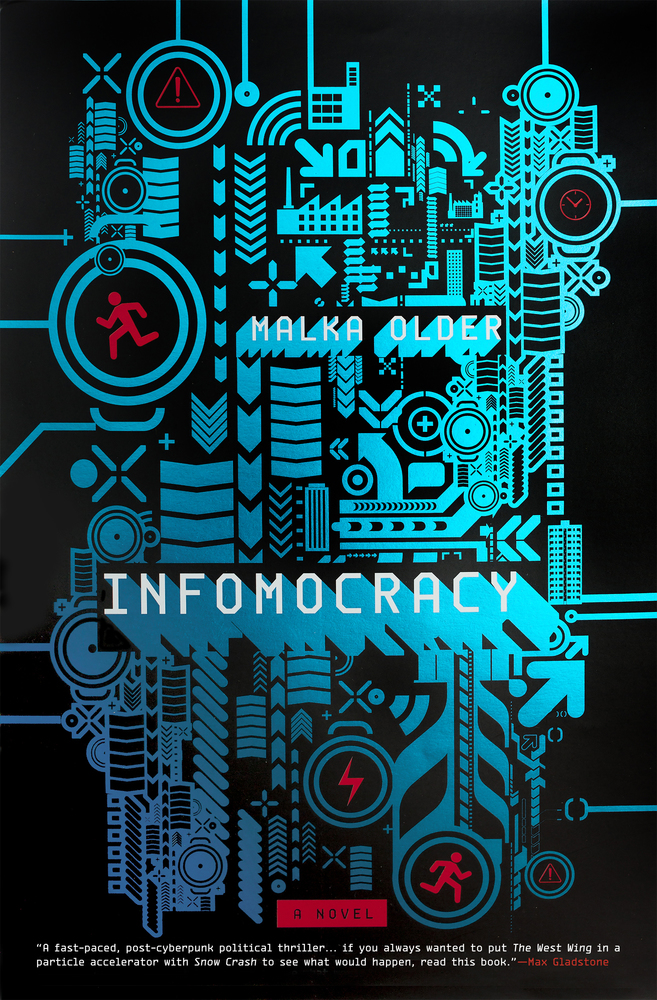 An author and humanitarian worker, Malka Older’s novel Infomocracy comes at a pertinent time– when illegitimate information is being weaponized, and accuracy and transparency of data feels increasingly fragile. In Older’s utopian world of Infomocracy, Information with a capital “I” is glorified in a new world order. Here, groups of 100,000 people elect their own government, and things like the nation-state, guns, and war are obsolete.
 ode to shelf-care