
“She knew and, despite the weight of it, accepted her role as liberator of a frightened man. María Isabel thought it had always been women who wove the future out of the scraps, always the characters, never the authors. She knew a woman could learn to resent this post, but she would instead find a hundred books to read.“
Full review at LatinoBookReview.com
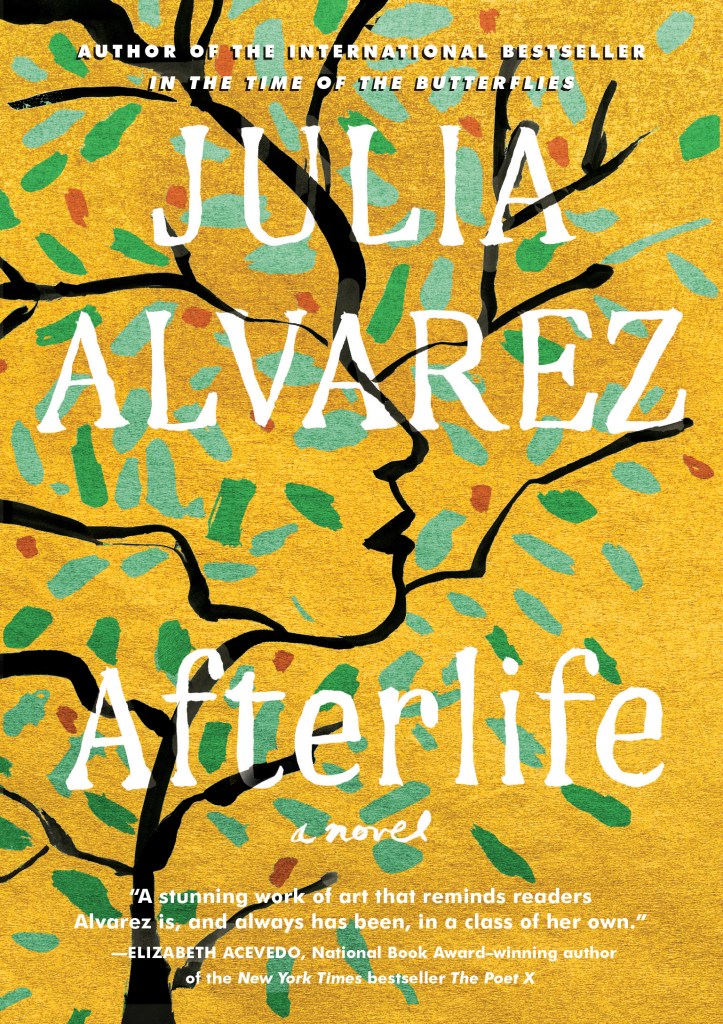
Of Women and Salt by Gabriela Garcia is a multigenerational story that traces the ways women learn to resist power structures and endure suffering with a ferocity born of love and lack of choices. In the beginning, there is María Isabel, a woman whose survival requires learning to read in secret and working as the only woman rolling cigars in a factory. In the midst of the first Cuban revolution in the 1860’s, María Isabel becomes the matriarch of a long line of courageous women navigating an unjust world. Jeanette, five generations later, is at the other end of two revolutions and a diaspora that led part of the family to Miami.
Garcia’s characters are like the heroes of so many families—mothers and guardians who make impossible choices and spend a lifetime making peace with them. Over the span of 150 years, these families witness revolutionary political changes and cope with their inherited traumas. This extensive timeline is evidence of a tendency for patterns, both good and bad, to persist no matter how much one tries to live in isolation from the past. Irrespective of time and place, Of Women and Salt speaks to the universal human desires to survive and to belong.





 Originally published in Latino Book Review magazine at latinobookreview.com
 *Originally published in Latino Book Review at latinobookreview.com*
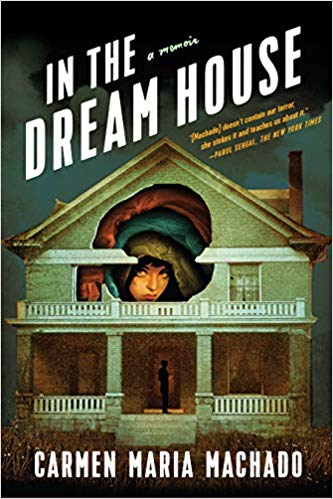 In this fragmented memoir of her relationship with an abusive long-term partner, Machado imbues her own personal story with an exposition of the “archival silence” on the topic of abuse in the queer community. It starts with a fervent crush on a beautiful, charming acquaintance. Progressing through the stages of friendship, torrid love, and polyamorous romance, the “woman in the dream house” gradually transforms into a manipulative, living nightmare. Their mutual infatuation, tangled up with the euphoria of love and lust, leads to a co-dependent relationship—a deceptive bondage that is all too common in romantic partnerships.
 After coming out as a lesbian to her religious, Puerto Rican family, Juliet leaves the Bronx for the first time to take on an internship with a celebrity-status, feminist author in Portland. She arrives in this alien city characterized by a subculture of “hippie white” both elated by the prospect of living and learning with her feminist hero and wounded by the rift her identity has created between her and her mother.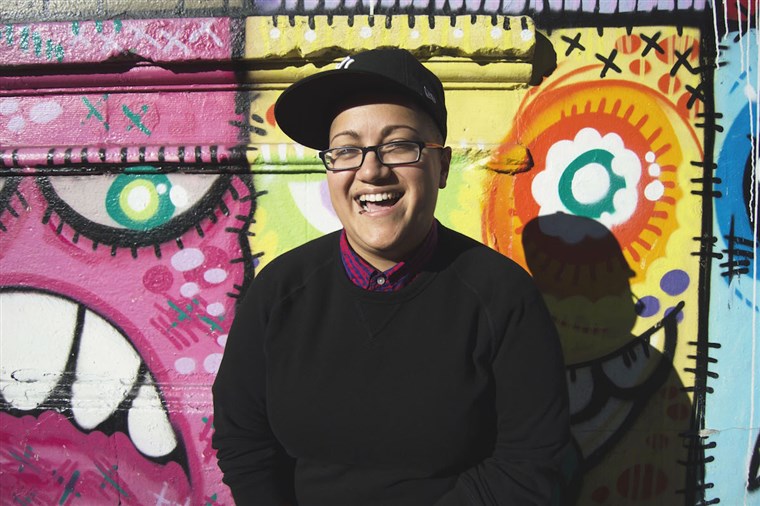
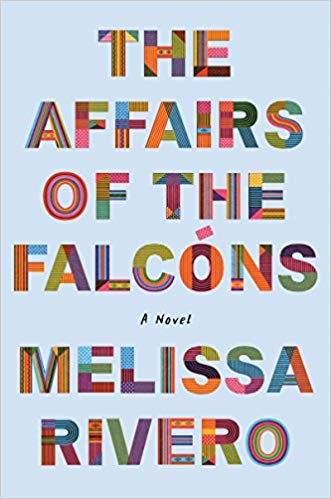 In the Affairs of the Falcóns, Rivero illustrates the complex politics and emotions at play within a single family trying to make their way as immigrants in a the US: the racism and classism within the Peruvian community, strained loyalties and the dissolution of marriages, children being raised as Americans but frequently reminded that they are outsiders, the economic and political regimes that cause widespread displacement, and the sacrifices people will justify in the name of love and survival.
 Reading Mouthful of Birds feels like occupying some kind of hybrid world of dreams and folklore, where the subconscious masquerades as a stream of characters enacting scenes that aren’t fully coherent with reality, but every moment is vivid and visceral. The short stories are full of nightmarish scenarios, like someone auditioning to be an assassin by proving their capacity for violence, a man being held captive at a train station indefinitely because he didn’t have the correct change for a ticket, or a teenage girl who will suddenly only eat live birds. The protagonists are oblivious to the bewildering circumstances they are about to endure, and like many of us in our truest nightmares, the characters find themselves misunderstood or full of regret.
 Shaker Heights is the kind of community where garbage is stored always out of sight from the street, and every last detailed is planned, from the diversity of its population to the color scheme of each house. When a free-spirited artist, Mia, and her daughter Pearl move to town, their lives become entangled with the members of the Richardson family, each of whom are either enamored with or infuriated by Mia and Pearl’s nonconformity. After a public scandal arises surrounding the custody of an abandoned baby, everyone in town is obliged to take sides in a controversy that will put ambiguous ethics at odds with family loyalties.
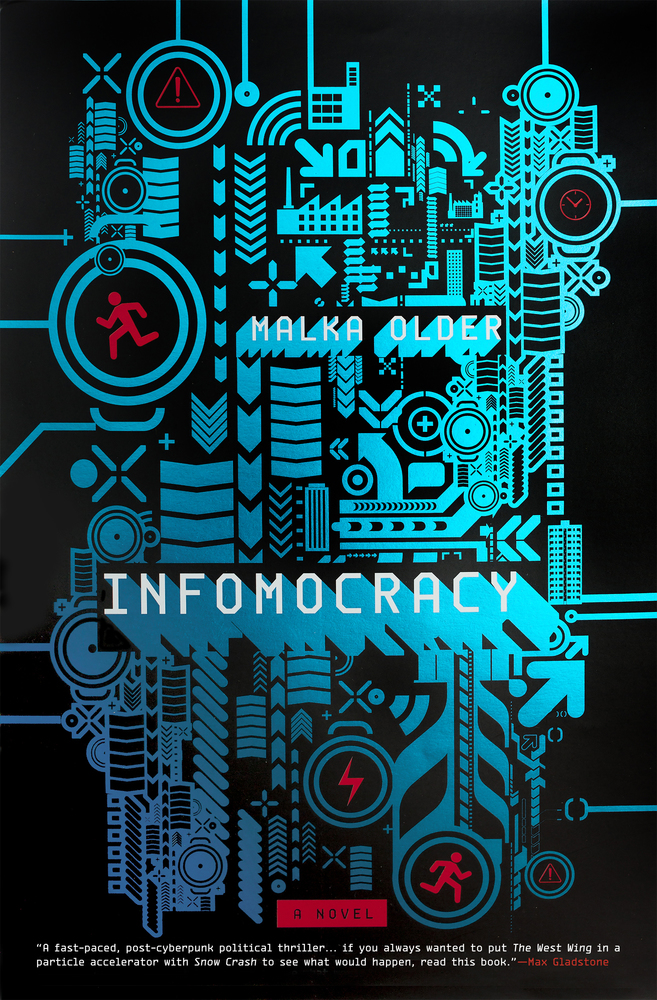 An author and humanitarian worker, Malka Older’s novel Infomocracy comes at a pertinent time– when illegitimate information is being weaponized, and accuracy and transparency of data feels increasingly fragile. In Older’s utopian world of Infomocracy, Information with a capital “I” is glorified in a new world order. Here, groups of 100,000 people elect their own government, and things like the nation-state, guns, and war are obsolete.
 ode to shelf-care