Originally published at Latinobookreview.com

Maria Hinojosa’s memoir tells the vulnerable story of becoming her truest, unapologetic self, deftly woven with decades of American history. From U.S.-funded conflicts throughout Central America, to 9/11, to Hurricane Katrina, to the ongoing humanitarian crisis at the U.S.-Mexico border, Hinojosa has been on the front lines bringing both humanity and high-quality journalism to these devastating events. Always acutely aware of the human impact of these tragedies, Hinojosa identifies patterns in the political landscape while also humbly depicting the emotional toll of her reporting on her own mental health and family.
Beginning with her family’s move from Mexico to the U.S. when she was a baby, and her childhood growing up in South Side Chicago, Hinojosa formed personal relationships with some of the marginalized populations that she would one day report on. Immigrants, refugees, and grassroots political activists were some of the most impactful members of her community while she was a student at Barnard College. After first taking up the microphone to host a Latino segment on college radio, she went on to become a producer and reporter at major media outlets such as NPR and CNN. Hinojosa paved her way in a white male-dominated industry despite struggling with discrimination, profit-driven management in corporate media, and crippling imposter syndrome.
Her resolve to stay true to her values as a journalist led to some of her greatest work: POC-centered, community-based reporting and the founding of the independent, nonprofit Futuro Media Group. Beyond her career achievements, elements of her story are relatable on so many levels. She is an inspiration to bi-national and multicultural people who never feel “enough” of any specific identity, to women struggling in their industries and in need of strong mentors, and to anyone looking to others for validation. Once I Was You is rich in historical context and insights that will strike a chord with readers across borders and cultures.
“The people and stories I wanted to do focused on the forgotten, the other, those who are thought of as different. At the same time, I aimed to evoke universal themes so that anyone, no matter who they were, could see themselves in my stories.”


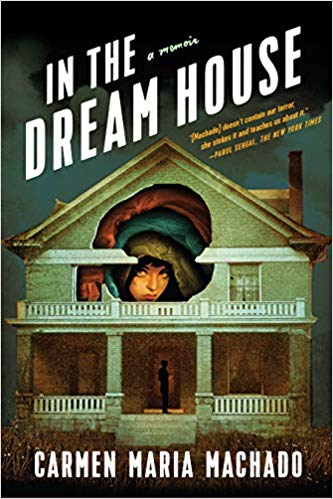 In this fragmented memoir of her relationship with an abusive long-term partner, Machado imbues her own personal story with an exposition of the “archival silence” on the topic of abuse in the queer community. It starts with a fervent crush on a beautiful, charming acquaintance. Progressing through the stages of friendship, torrid love, and polyamorous romance, the “woman in the dream house” gradually transforms into a manipulative, living nightmare. Their mutual infatuation, tangled up with the euphoria of love and lust, leads to a co-dependent relationship—a deceptive bondage that is all too common in romantic partnerships.
 From the beloved queer Chicana feminist writer Cherríe Moraga, Native Country of the Heart is a memoir told in parallel with the memoir of her Mexican mother, Elvira. Elvira is the foundational stone on which Moraga builds her own Chicana feminism and family, a woman whose beauty, rage, and fuerza incansable were unmatched in the eyes of Cherríe. Cherríe Moraga’s life story is one of reclamation and resistance: reclaiming her indigenous Californian and Mexican roots in a Gringo world, while resisting the shame and guilt forged by the patriarchy and religion of her family’s culture.
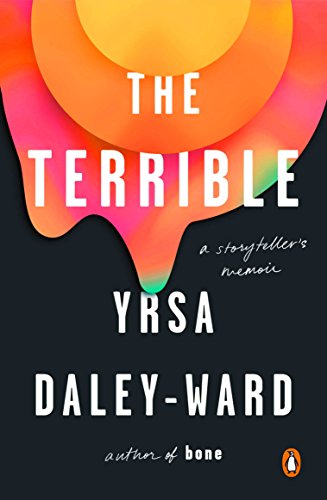 An autobiographical poem or a poetic autobiography, Yrsa Daley-Ward’s memoir is a testimony to the tenacity of the human spirit, its ability to contain an immense darkness and release it in waves of destruction, love, and poetry. As a child, Yrsa and her little brother are raised partly by their strict, religious grandparents and by their single mother. As Yrsa gets older, her body becomes a “haunted unreal place”, where mental illness reigns. Her body is the source of her power as well as her fear. Her story gives voice to the chaos of sexuality, addiction, depression, and anxiety, and the potential for redemption in the form of self-expression.


 ode to shelf-care