The Book of Rosy is the story of Rosayra Pablo Cruz, a mother of four from Guatemala who fled to the U.S. seeking asylum, co-written by Julie Schwietert Collazo, the cofounder of Immigrant Families Together. Rosy’s story and her fight for a dignified existence brings to life an immigration policy that was ignored for too long and continues to keep innocent refugee children separated from their parents. Adding to the heartbreak of the trauma inflicted on Rosy and her children is the fact that her story is not extraordinary at all. Like many of the U.S.’s immigration policies, Trump’s Zero Tolerance Policy was designed to dehumanize those seeking refuge at the border. The goal of these policies was not to keep anyone safe, but rather for certain people to either make massive amounts of money off of the lucrative detention center industry or to benefit politically from the suffering of others.
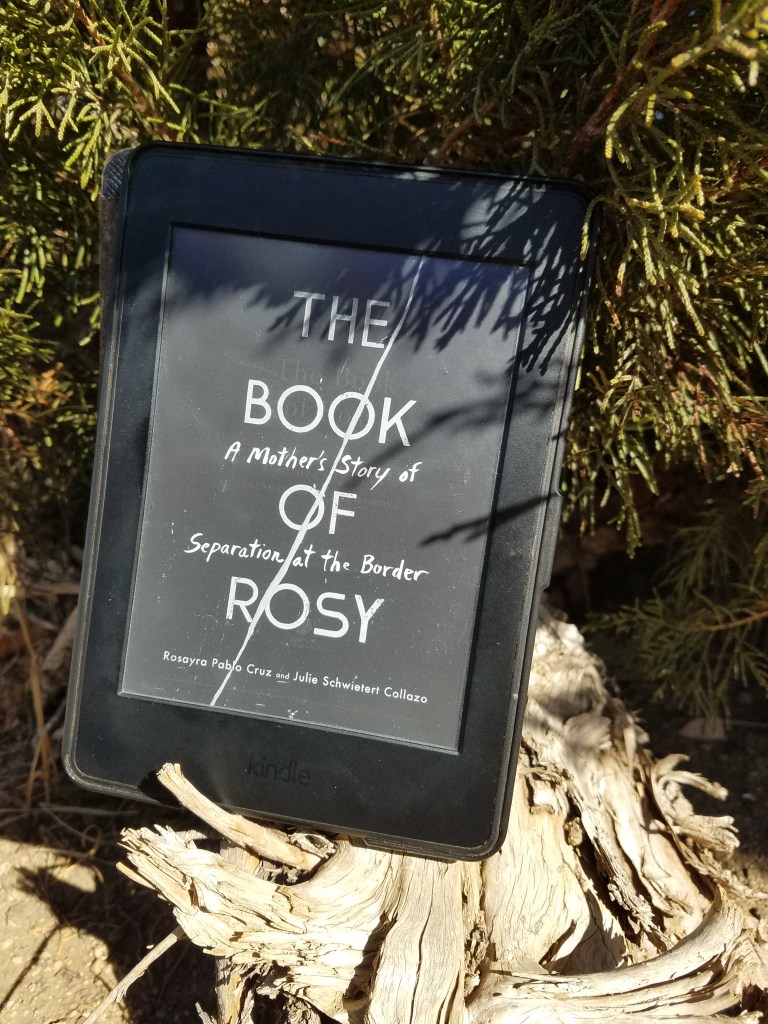
Beautifully written by these two women whose lives became unexpectedly intertwined, The Book of Rosy is an important read for those wanting to better understand the realities of immigration from the Global South.
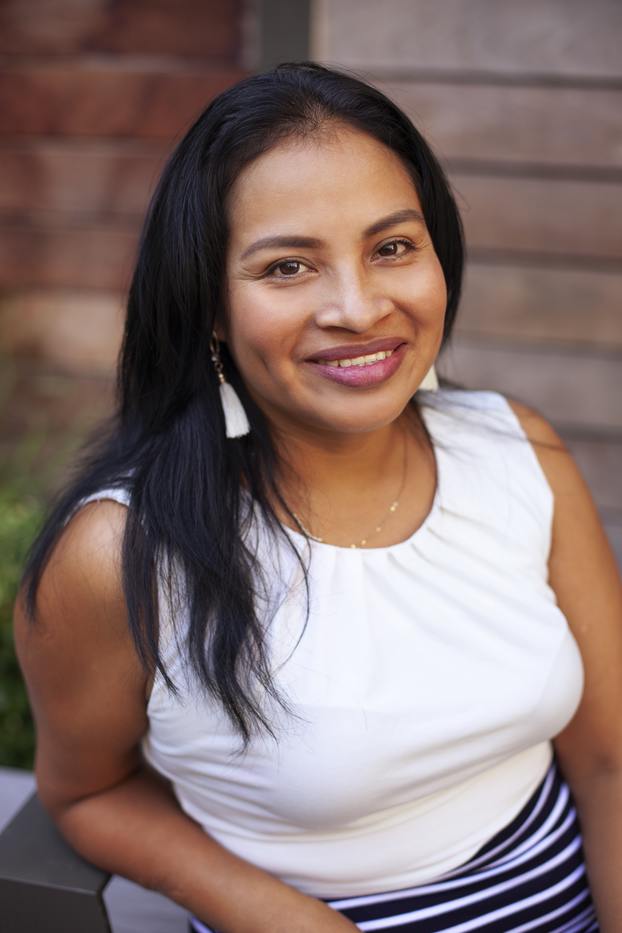
My heart breaks when I think about all the losses that have occurred along the Migrant Highway, each one a story that will be remembered only by the person who suffered it.
— Rosayra Pablo Cruz
At its core, Rosy’s story is about faith, sacrifice, and what it means to show up for other people when it counts.
“Some of us who have already begun to break the silence of the night have found that the calling to speak is often a vocation of agony, but we must speak… For we are deeply in need of a new way beyond the darkness that seems so close around us…A true revolution of values will soon cause us to question the fairness and justice of many of our past and present policies.”
— Rev. Martin Luther King Jr., 1967
More resources on this topic:
- A report by the Refugee and Immigration Center for Education and Legal Services (RAICES); “The U.S. Government Kidnapped my Son”– Surviving Family Separation and Prolonged Family Detention
- Immigrant Families Together working to reunite families and provide ongoing support for asylum seekers
- Tell Me How It Ends: An Essay in 40 Questions by Valeria Luiselli about her volunteer working translating for child refugees


 Erosion is a collection of essays depicting the ways that modern priorities and lifestyles have led to the spiritual, physical, and political erosion of communities in the United States. At the core of Williams’ melodic, impassioned writing is a deep connection to her homeland of Utah and an earnest empathy for all living beings. Written over the last several years, Williams examines the political environment that enabled the gutting of national monuments and the auctioning of public lands to the Big Oil industry. These acts of aggression are emblematic of new incarnations of colonialism that deny indigenous sovereignty and the right of the American people to access wild spaces that are central to cultural identity and vitality.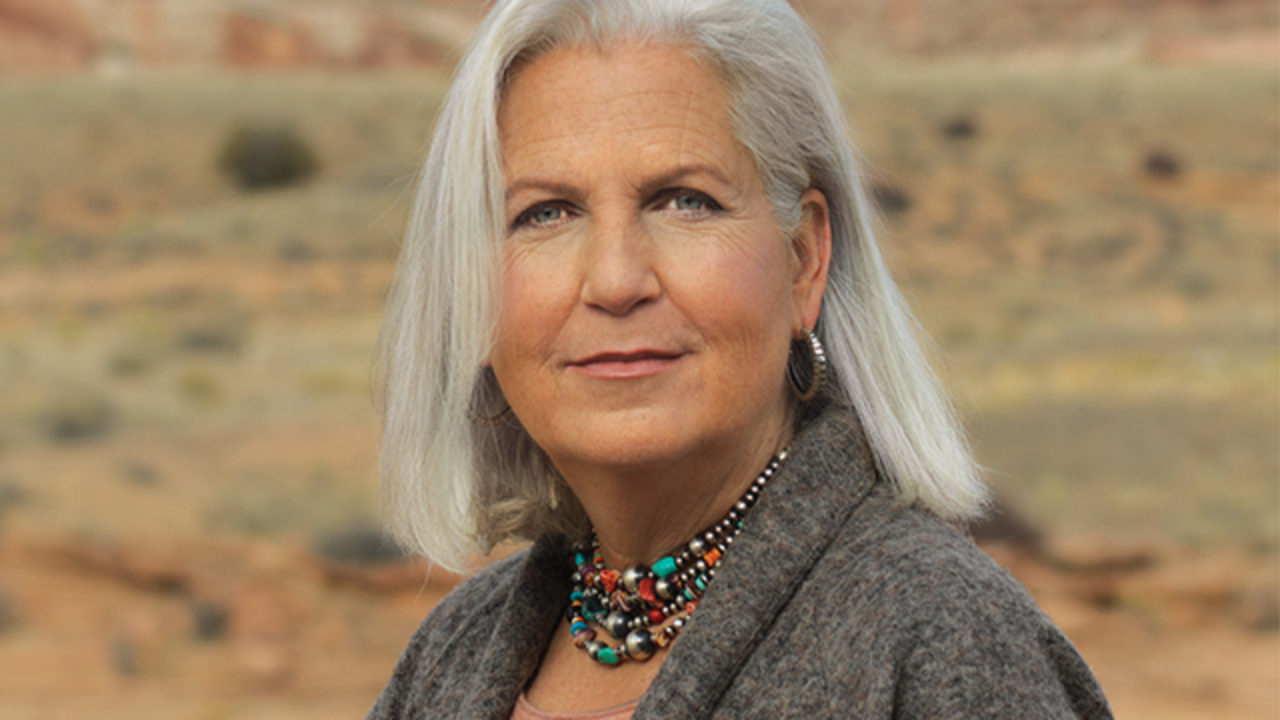
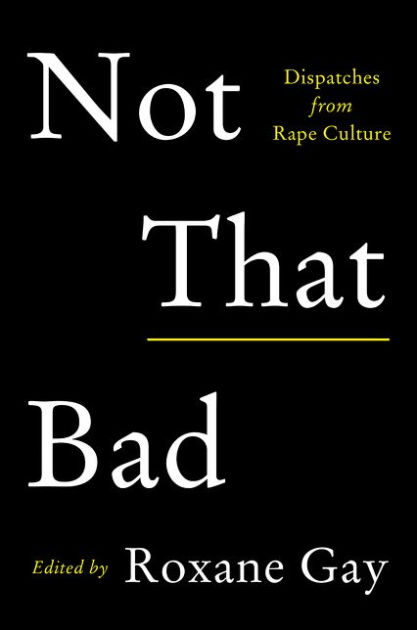 Roxane Gay began this anthology in an attempt to unravel the nebulous concept of “rape culture”– to engage with the question, “What is it like to live in a culture where it often seems like it is a question of when, not if, a woman will encounter some kind of sexual violence?” Ultimately, this piece became a place where diverse individuals across the gender spectrum could reclaim their own stories, free from expectations about what it means to carry the burden of trauma.
 From an outsider’s view, Wang’s identity stands apart from the common conception of someone with schizoaffective disorder—she is ivy-league educated, exceedingly well-dressed, and “high-functioning” when she is not in the grips of psychosis. After being kicked out of her university for her mental health status, Wang begins a never ending journey into a health system whose diagnoses, treatments, and policies are often at odds with her autonomy and humanity.
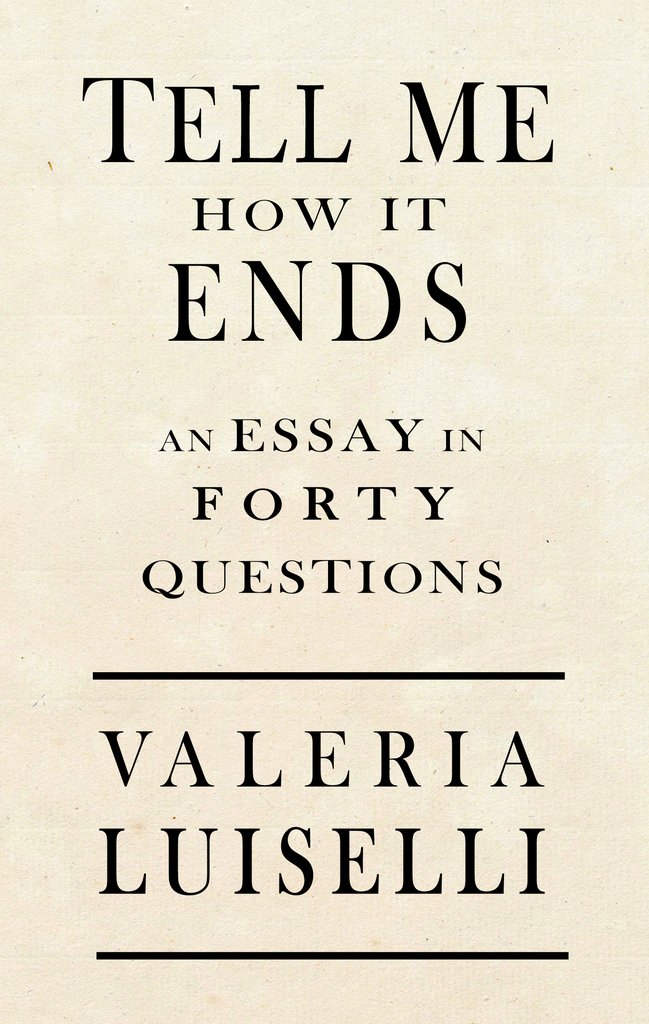 An essay in 40 questions, beginning with “Why did you come to the US? Where are your parents?”
 How did cocoa go from being a highly masculinized beverage for Mesoamerican warriors, to a status symbol for European sociopolitical elite, to its current position as a highly accessible global luxury? How is it magically transformed from an alien-like tropical tree fruit to the glossy little packages on grocery store shelves? What does it mean to be an ethical consumer of chocolate?
 Originally published on Latinobookreview.com
 ode to shelf-care