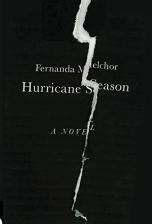
 *Originally published in Latino Book Review at latinobookreview.com*
Fernanda Melchor’s debut English-translated novel is a haunting masterpiece reminding us that there are no winners when it comes to intolerance. In a rural Mexican village marked by misogyny, addiction, machismo, and homophobia, the Witch is a lifeline for the local women and the target of violence by men who are threatened by her audacity to live outside of their sphere of power. As the second-generation resident witch, she knows she is safest only on the fringes of society. When she is violently murdered and tossed in the irrigation canal, the twisted events leading up to her death and the ugly aftermath reveal how deeply her existence was intertwined in the dysfunctional community relationships.
Through the unfiltered, rambling consciousness of her troubled characters, Melchor reveals the depths of human greed and the desperate actions it drives us to commit. In this place dominated by poverty and violence, the only redemption is the persisting memory of the Witch of La Matosa, a tormented woman who recognized a shared pain among her comrades and had the inexplicable compassion to heal others despite her own suffering. The Witch is both everywhere and nowhere in our society. She is the queer outcast who never got to tell her own story. She is the living fantasy and greatest fear for those oppressed by the patriarchy. She is like so many victims of femicide in Mexico for whom there is no justice.

 From the beloved queer Chicana feminist writer Cherríe Moraga, Native Country of the Heart is a memoir told in parallel with the memoir of her Mexican mother, Elvira. Elvira is the foundational stone on which Moraga builds her own Chicana feminism and family, a woman whose beauty, rage, and fuerza incansable were unmatched in the eyes of Cherríe. Cherríe Moraga’s life story is one of reclamation and resistance: reclaiming her indigenous Californian and Mexican roots in a Gringo world, while resisting the shame and guilt forged by the patriarchy and religion of her family’s culture.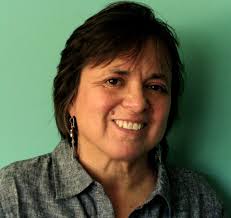
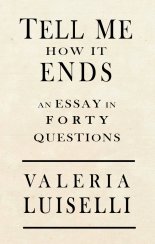 An essay in 40 questions, beginning with “Why did you come to the US? Where are your parents?”
 Originally published on Latinobookreview.com


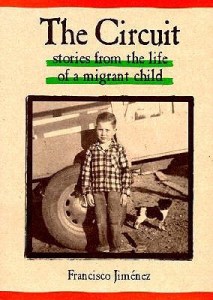
 ode to shelf-care