Originally published at Latinobookreview.com

Maria Hinojosa’s memoir tells the vulnerable story of becoming her truest, unapologetic self, deftly woven with decades of American history. From U.S.-funded conflicts throughout Central America, to 9/11, to Hurricane Katrina, to the ongoing humanitarian crisis at the U.S.-Mexico border, Hinojosa has been on the front lines bringing both humanity and high-quality journalism to these devastating events. Always acutely aware of the human impact of these tragedies, Hinojosa identifies patterns in the political landscape while also humbly depicting the emotional toll of her reporting on her own mental health and family.
Beginning with her family’s move from Mexico to the U.S. when she was a baby, and her childhood growing up in South Side Chicago, Hinojosa formed personal relationships with some of the marginalized populations that she would one day report on. Immigrants, refugees, and grassroots political activists were some of the most impactful members of her community while she was a student at Barnard College. After first taking up the microphone to host a Latino segment on college radio, she went on to become a producer and reporter at major media outlets such as NPR and CNN. Hinojosa paved her way in a white male-dominated industry despite struggling with discrimination, profit-driven management in corporate media, and crippling imposter syndrome.
Her resolve to stay true to her values as a journalist led to some of her greatest work: POC-centered, community-based reporting and the founding of the independent, nonprofit Futuro Media Group. Beyond her career achievements, elements of her story are relatable on so many levels. She is an inspiration to bi-national and multicultural people who never feel “enough” of any specific identity, to women struggling in their industries and in need of strong mentors, and to anyone looking to others for validation. Once I Was You is rich in historical context and insights that will strike a chord with readers across borders and cultures.
“The people and stories I wanted to do focused on the forgotten, the other, those who are thought of as different. At the same time, I aimed to evoke universal themes so that anyone, no matter who they were, could see themselves in my stories.”

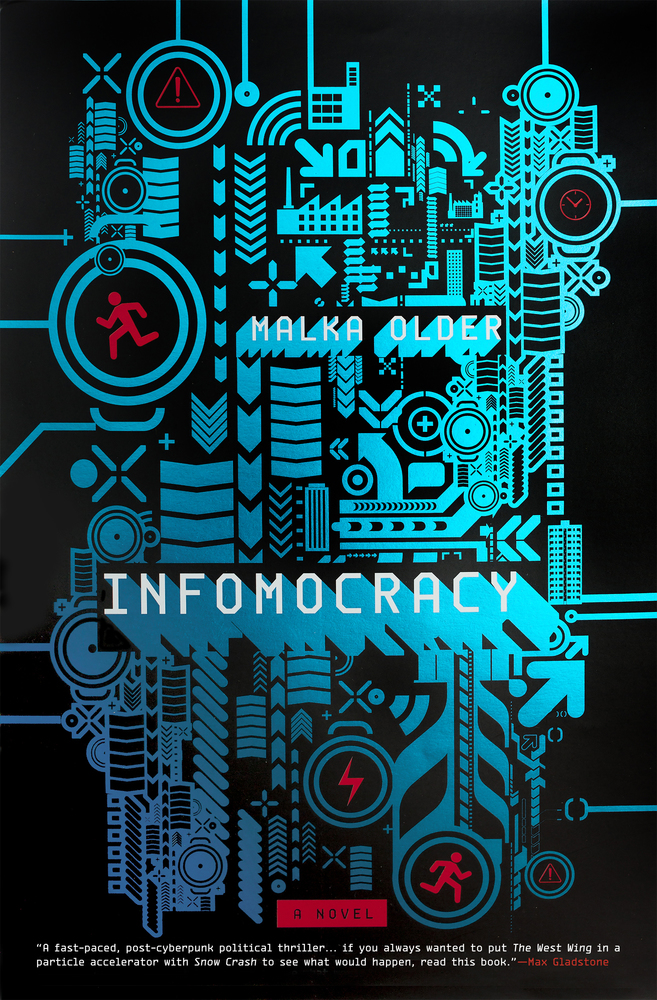 An author and humanitarian worker, Malka Older’s novel Infomocracy comes at a pertinent time– when illegitimate information is being weaponized, and accuracy and transparency of data feels increasingly fragile. In Older’s utopian world of Infomocracy, Information with a capital “I” is glorified in a new world order. Here, groups of 100,000 people elect their own government, and things like the nation-state, guns, and war are obsolete.
 An essay in 40 questions, beginning with “Why did you come to the US? Where are your parents?”
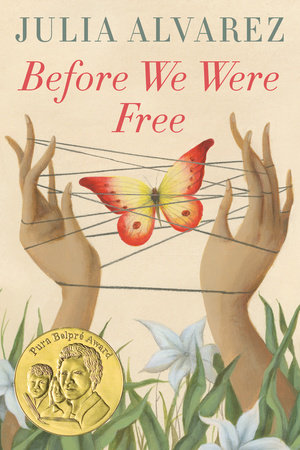 Julia Alvarez tells the story of 12-year-old Anita, whose family joins the resistance against Dictator Trujillo in the Dominican Republic during the 1960’s. While coping with the early stages of puberty, Anita also grapples with the concepts of justice and freedom as General Trujillo, “El Jefe”, and the secret police terrorize her family.


 ode to shelf-care