 *Originally published in Latino Book Review at latinobookreview.com*
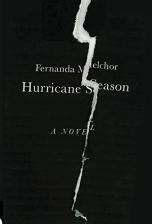
Fernanda Melchor’s debut English-translated novel is a haunting masterpiece reminding us that there are no winners when it comes to intolerance. In a rural Mexican village marked by misogyny, addiction, machismo, and homophobia, the Witch is a lifeline for the local women and the target of violence by men who are threatened by her audacity to live outside of their sphere of power. As the second-generation resident witch, she knows she is safest only on the fringes of society. When she is violently murdered and tossed in the irrigation canal, the twisted events leading up to her death and the ugly aftermath reveal how deeply her existence was intertwined in the dysfunctional community relationships.
Through the unfiltered, rambling consciousness of her troubled characters, Melchor reveals the depths of human greed and the desperate actions it drives us to commit. In this place dominated by poverty and violence, the only redemption is the persisting memory of the Witch of La Matosa, a tormented woman who recognized a shared pain among her comrades and had the inexplicable compassion to heal others despite her own suffering. The Witch is both everywhere and nowhere in our society. She is the queer outcast who never got to tell her own story. She is the living fantasy and greatest fear for those oppressed by the patriarchy. She is like so many victims of femicide in Mexico for whom there is no justice.

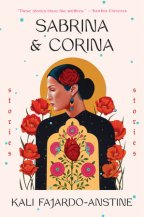 In this debut collection of stories, Fajardo-Anstine weaves together an exquisite tapestry of Indigenous Chicana women. Set in modern Denver as gentrification morphs the landscape into something unrecognizable, the characters navigate an unrelenting world through sheer determination and lack of any other alternative. These are stories about displacement and female relationships—about physical realities that are easily and carelessly destroyed, as well as the deep roots that persist through generations.
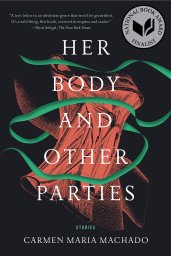 One thing I love about essay and story collections is seeing the recurring images and ideas that pop up throughout, like the weeds (or wild flowers?) of the author’s subconscious. As the title suggests, Her Body and Other Parties by Carmen Maria Machado is full of women’s bodies—bodies disappearing, falling apart, taking up space. With hints of surrealism, Machado’s stories explore the ways that we are continually haunted by past traumas. She renders the neurotic mania that sometimes takes the wheel when women remain unheard or misunderstood as well as the pain of feeling like a burden to your loved ones. Her characters don’t necessarily find healing and happy endings, but I love that they face their truest selves, no matter how terrifying it is, and fiercely pursue what they most desire.
 An autobiographical poem or a poetic autobiography, Yrsa Daley-Ward’s memoir is a testimony to the tenacity of the human spirit, its ability to contain an immense darkness and release it in waves of destruction, love, and poetry. As a child, Yrsa and her little brother are raised partly by their strict, religious grandparents and by their single mother. As Yrsa gets older, her body becomes a “haunted unreal place”, where mental illness reigns. Her body is the source of her power as well as her fear. Her story gives voice to the chaos of sexuality, addiction, depression, and anxiety, and the potential for redemption in the form of self-expression.


 Julia Alvarez tells the story of 12-year-old Anita, whose family joins the resistance against Dictator Trujillo in the Dominican Republic during the 1960’s. While coping with the early stages of puberty, Anita also grapples with the concepts of justice and freedom as General Trujillo, “El Jefe”, and the secret police terrorize her family.



 ode to shelf-care