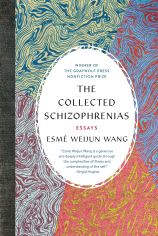
 From an outsider’s view, Wang’s identity stands apart from the common conception of someone with schizoaffective disorder—she is ivy-league educated, exceedingly well-dressed, and “high-functioning” when she is not in the grips of psychosis. After being kicked out of her university for her mental health status, Wang begins a never ending journey into a health system whose diagnoses, treatments, and policies are often at odds with her autonomy and humanity.
As her schizoaffective disorder is compounded by PTSD and chronic Lyme disease, Wang strives to embrace the liminal spaces she has no choice but to inhabit. She learns how she might be able to keep herself tethered to reality just enough to find peace and engage with the insights that her psychotic episodes may have to offer. Her essays both illuminate the outer workings of her mental illness while documenting the terrifying ways that her sense of self is swept away time and again.
“When the self has been swallowed by illness, isn’t it cruel to insist on a self that is not illness?” At the core of this essay collection is this simple question. In it, Wang asks us whether it is really an act of generosity when we make a distinction between a person and the illness that makes up their reality (e.g. calling someone a schizophrenic versus a person suffering from schizoaffective disorder). In whose service do we define this boundary, and what is it that we value in other people that makes them worthy of love and respect?
The Collected Schizophrenias offers so much of Wang–her most vulnerable uncertainties and darkest delusions, alongside a wealth of information about the diseases known as the schizophrenias. She presents all of this with a humility and eloquent clarity that make her story unforgettable.

 From the beloved queer Chicana feminist writer Cherríe Moraga, Native Country of the Heart is a memoir told in parallel with the memoir of her Mexican mother, Elvira. Elvira is the foundational stone on which Moraga builds her own Chicana feminism and family, a woman whose beauty, rage, and fuerza incansable were unmatched in the eyes of Cherríe. Cherríe Moraga’s life story is one of reclamation and resistance: reclaiming her indigenous Californian and Mexican roots in a Gringo world, while resisting the shame and guilt forged by the patriarchy and religion of her family’s culture.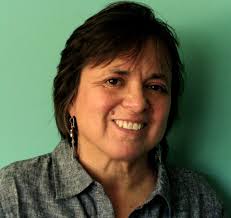
 An essay in 40 questions, beginning with “Why did you come to the US? Where are your parents?”
 How did cocoa go from being a highly masculinized beverage for Mesoamerican warriors, to a status symbol for European sociopolitical elite, to its current position as a highly accessible global luxury? How is it magically transformed from an alien-like tropical tree fruit to the glossy little packages on grocery store shelves? What does it mean to be an ethical consumer of chocolate?
 Originally published on Latinobookreview.com
 Eviction exposes the cataclysmic effect of unstable housing as Desmond follows the lives of eight families facing eviction and substandard living conditions in Milwaukee. By embedding himself in a trailer park on the South side and a rooming house on the North side, Desmond learns about how housing policies often punish victims of domestic violence, why the presence of children nearly triples the likelihood of a tenant receiving an eviction judgment, and how government housing subsidies ultimately line the pockets of upper class Americans while access to affordable housing remains unattainable for many.
 “The human being was a happy creature, but he created a hard world and now struggles trying to break out of it.”
 ode to shelf-care