
“She knew and, despite the weight of it, accepted her role as liberator of a frightened man. María Isabel thought it had always been women who wove the future out of the scraps, always the characters, never the authors. She knew a woman could learn to resent this post, but she would instead find a hundred books to read.“
Full review at LatinoBookReview.com
Of Women and Salt by Gabriela Garcia is a multigenerational story that traces the ways women learn to resist power structures and endure suffering with a ferocity born of love and lack of choices. In the beginning, there is María Isabel, a woman whose survival requires learning to read in secret and working as the only woman rolling cigars in a factory. In the midst of the first Cuban revolution in the 1860’s, María Isabel becomes the matriarch of a long line of courageous women navigating an unjust world. Jeanette, five generations later, is at the other end of two revolutions and a diaspora that led part of the family to Miami.
Garcia’s characters are like the heroes of so many families—mothers and guardians who make impossible choices and spend a lifetime making peace with them. Over the span of 150 years, these families witness revolutionary political changes and cope with their inherited traumas. This extensive timeline is evidence of a tendency for patterns, both good and bad, to persist no matter how much one tries to live in isolation from the past. Irrespective of time and place, Of Women and Salt speaks to the universal human desires to survive and to belong.


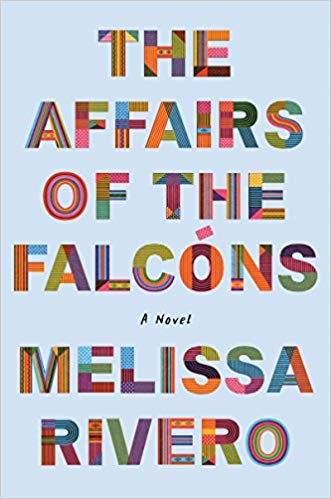 In the Affairs of the Falcóns, Rivero illustrates the complex politics and emotions at play within a single family trying to make their way as immigrants in a the US: the racism and classism within the Peruvian community, strained loyalties and the dissolution of marriages, children being raised as Americans but frequently reminded that they are outsiders, the economic and political regimes that cause widespread displacement, and the sacrifices people will justify in the name of love and survival.
 From the beloved queer Chicana feminist writer Cherríe Moraga, Native Country of the Heart is a memoir told in parallel with the memoir of her Mexican mother, Elvira. Elvira is the foundational stone on which Moraga builds her own Chicana feminism and family, a woman whose beauty, rage, and fuerza incansable were unmatched in the eyes of Cherríe. Cherríe Moraga’s life story is one of reclamation and resistance: reclaiming her indigenous Californian and Mexican roots in a Gringo world, while resisting the shame and guilt forged by the patriarchy and religion of her family’s culture.
 Reading Mouthful of Birds feels like occupying some kind of hybrid world of dreams and folklore, where the subconscious masquerades as a stream of characters enacting scenes that aren’t fully coherent with reality, but every moment is vivid and visceral. The short stories are full of nightmarish scenarios, like someone auditioning to be an assassin by proving their capacity for violence, a man being held captive at a train station indefinitely because he didn’t have the correct change for a ticket, or a teenage girl who will suddenly only eat live birds. The protagonists are oblivious to the bewildering circumstances they are about to endure, and like many of us in our truest nightmares, the characters find themselves misunderstood or full of regret.
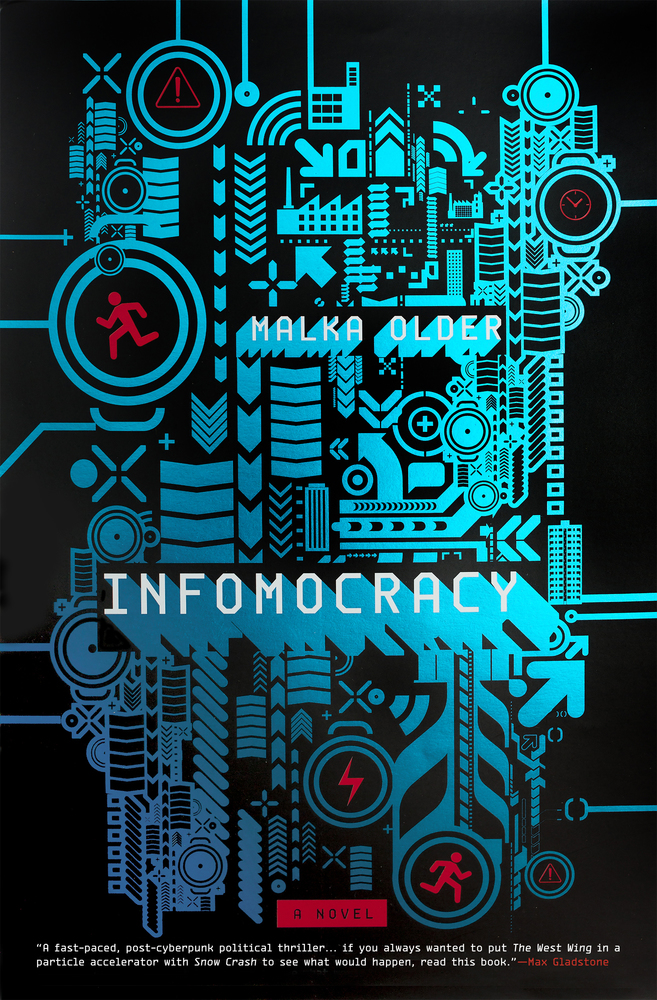 An author and humanitarian worker, Malka Older’s novel Infomocracy comes at a pertinent time– when illegitimate information is being weaponized, and accuracy and transparency of data feels increasingly fragile. In Older’s utopian world of Infomocracy, Information with a capital “I” is glorified in a new world order. Here, groups of 100,000 people elect their own government, and things like the nation-state, guns, and war are obsolete.
 In this debut collection of stories, Fajardo-Anstine weaves together an exquisite tapestry of Indigenous Chicana women. Set in modern Denver as gentrification morphs the landscape into something unrecognizable, the characters navigate an unrelenting world through sheer determination and lack of any other alternative. These are stories about displacement and female relationships—about physical realities that are easily and carelessly destroyed, as well as the deep roots that persist through generations.
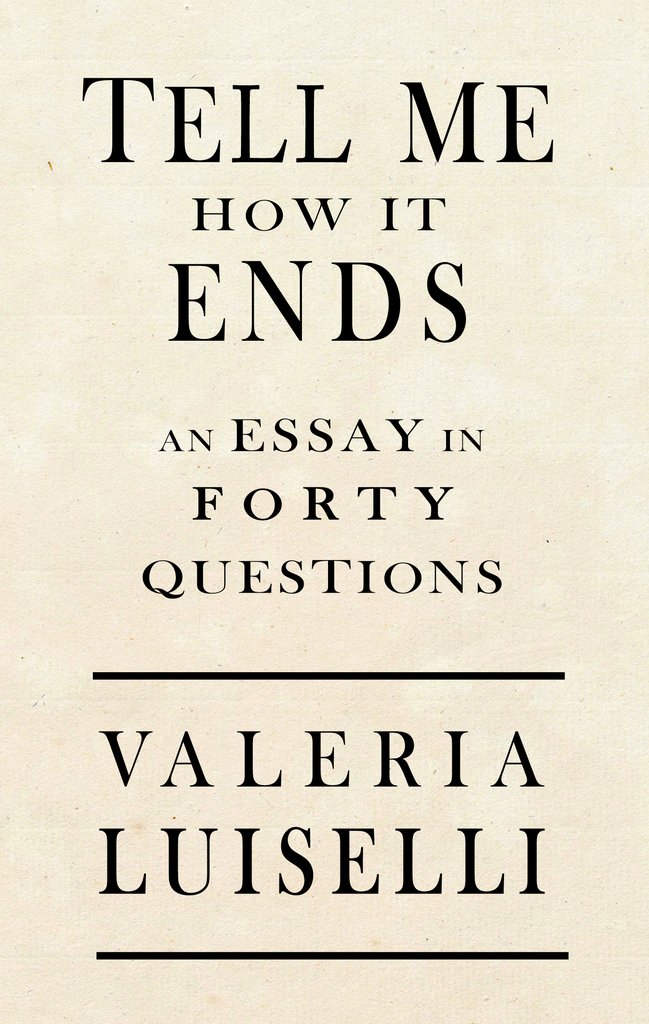 An essay in 40 questions, beginning with “Why did you come to the US? Where are your parents?”
 Originally published on Latinobookreview.com
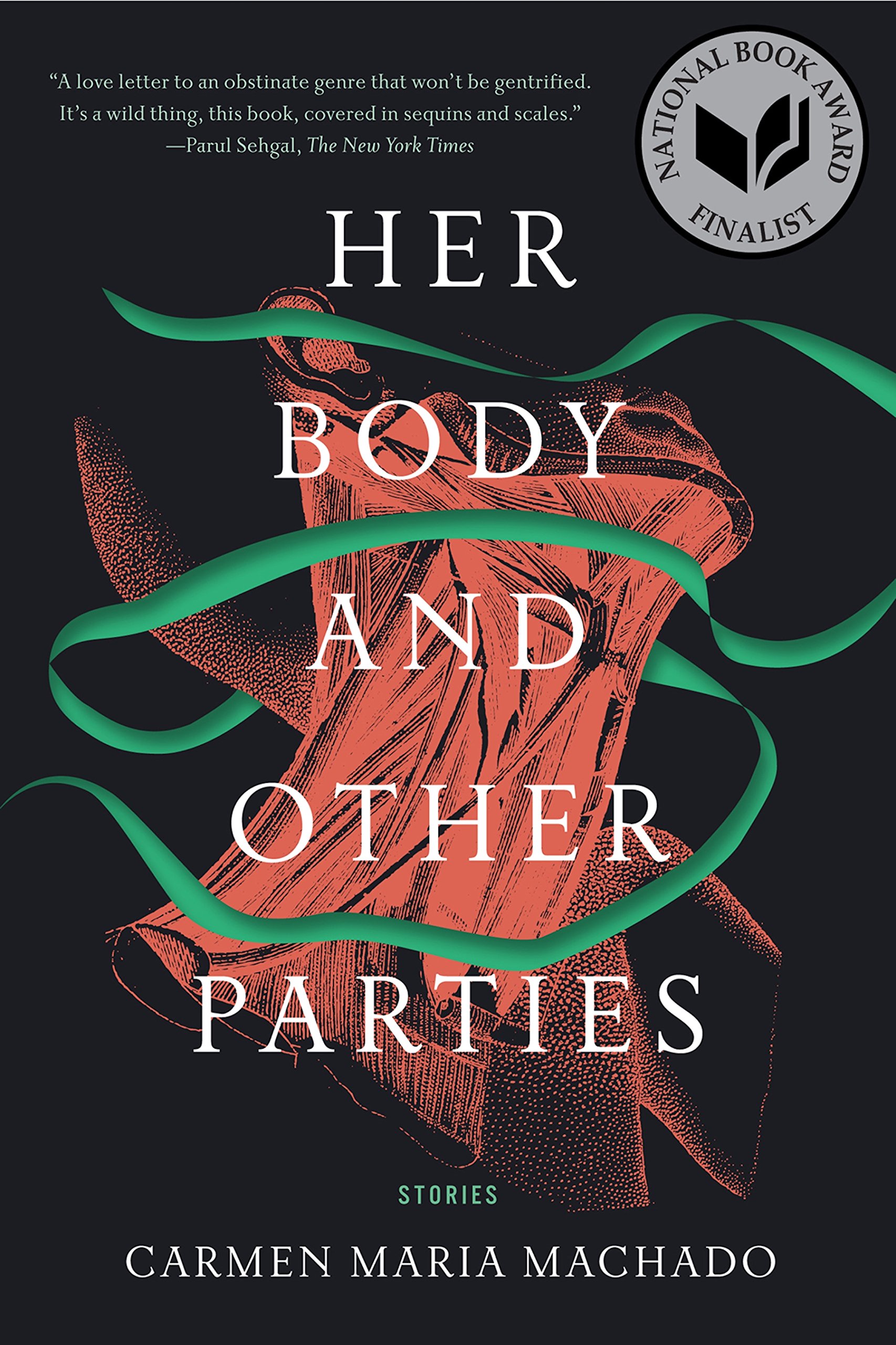 One thing I love about essay and story collections is seeing the recurring images and ideas that pop up throughout, like the weeds (or wild flowers?) of the author’s subconscious. As the title suggests, Her Body and Other Parties by Carmen Maria Machado is full of women’s bodies—bodies disappearing, falling apart, taking up space. With hints of surrealism, Machado’s stories explore the ways that we are continually haunted by past traumas. She renders the neurotic mania that sometimes takes the wheel when women remain unheard or misunderstood as well as the pain of feeling like a burden to your loved ones. Her characters don’t necessarily find healing and happy endings, but I love that they face their truest selves, no matter how terrifying it is, and fiercely pursue what they most desire.
 ode to shelf-care